
What to Do When a Load Shifts in Transit and How to Handle It Safely
When a freight load shifts in transit, it can quickly become a serious problem. These shifts often occur due to harsh braking, sudden lane changes, tight curves, or poor road conditions. In some cases, the cargo wasn’t properly secured from the start. Drivers may notice the issue right away—through trailer sway or hard braking. Others don’t realize it until they stop at a weigh station or try to unload. No matter when you discover it, a shifted load can lead to freight damage, missed deliveries, and DOT inspection failures. If you’re hauling through Northern California on I-80, I-5, Hwy 99, or Hwy 50, knowing what to do next is critical. In this blog, we cover the main causes of load shifts, DOT risks, and what warning signs to look for. We’ll also explain how Total Freight Solutions, Inc. helps drivers recover fast and stay compliant on the road.

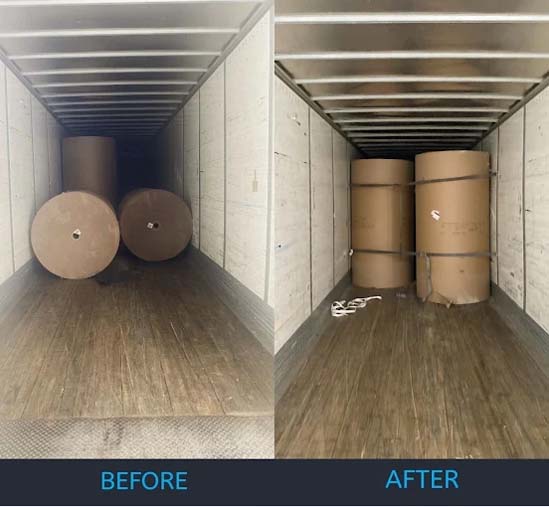


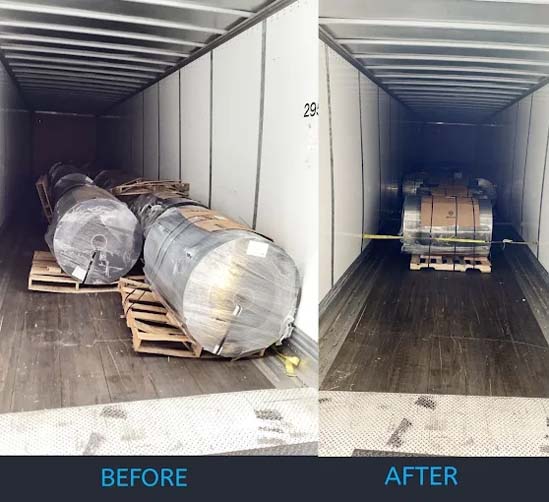


Key Takeaways for Managing Load Shifts
Dealing with a load shift on the road can feel overwhelming, but knowing how to respond makes all the difference. Whether you’re hauling freight through I-80 or preparing for a DOT inspection, it’s important to stay alert and act fast. Here’s what to remember when facing a potential shift in your cargo:
- Monitor your trailer for sway, uneven braking, or strange handling—these are early signs of load imbalance.
- Inspect your freight at every stop, especially after sharp turns, hard braking, or long downhill runs.
- Look for collapsed pallets, broken wrap, or bulging trailer doors before continuing your route.
- Don’t risk a failed DOT inspection or damaged freight—know when to pull over and call for help.
- Call Total Freight Solutions for 24/7 freight rework, cross-docking, or re-delivery service to keep your shipment moving.
Staying proactive with your freight helps you avoid fines, missed deadlines, and unnecessary stress. Our team is here to support you every mile of the way.
Why Load Shifts Happen During Transit
Load shifts happen more often than many drivers expect. Even when freight seems secure at the start, real-world road conditions can quickly test it. Sudden stops, sharp turns, steep grades, and rough pavement all increase the risk of cargo movement. Hauling freight through Northern California—especially along I-80 and Hwy 50—means navigating mountain roads and unpredictable traffic. If pallets lack proper wrap or if weight isn’t balanced evenly, one hard brake check can cause the load to shift. Overloading a trailer or skipping bracing only makes the situation worse. In many cases, the freight appears stable at pickup but becomes unstable after several hours on the road. That’s why drivers, loaders, and dispatchers must follow securement best practices and inspect loads regularly throughout transit.
Risks at DOT Inspections and Weigh Stations
When a load shifts, it creates serious risks beyond the trailer. DOT inspectors closely examine weight distribution and cargo securement at California weigh stations. If your freight leans, exceeds axle limits, or shows signs of instability, they will issue citations or pull you off the road. You could face fines, forced offloading, or delivery delays. Inspectors often stop drivers for leaning pallets, torn shrink wrap, or trailers that look uneven. These problems not only affect your schedule—they can also lower your CSA score and increase your inspection frequency. If you’re running freight through I-5, I-80, or Hwy 99 near Sacramento, catching these issues early helps you avoid penalties and stay on track.
When to Stop and Call for Load Rework
You don’t have to wait for a breakdown or inspection failure to take action. The moment you feel something off—like trailer sway, uneven braking, or a dragging axle—you should stop and check your load. Look for visible signs like leaning pallets, broken shrink wrap, or doors that won’t close properly. These issues mean the freight has shifted and could cause damage or throw your trailer out of compliance. Continuing down the highway risks worsening the problem and delaying your route even more. If you’re near Sacramento or traveling through Northern California’s major corridors, it’s faster and safer to get help. Our team at Total Freight Solutions specializes in rapid freight rework, cross-docking support, and re-delivery services to get you back on the road quickly and safely.
How Total Freight Solutions Handles Load Shifts
When a load shifts, you need more than manpower—you need a logistics team that knows how to fix it fast. At Total Freight Solutions, we operate 24/7 from our Sacramento warehouse, located right off I-80. Our 45,000-square-foot facility includes dock-high bays, pallet jacks, forklifts, and trained professionals ready to jump into action. We handle everything from pallet rework and freight consolidation to emergency cross-docking for damaged or unstable loads. Our team inspects the trailer, repositions freight, and balances the weight to meet DOT and distribution center standards. If your load needs to wait, we provide secure short-term storage or coordinate next-stop delivery. We don’t just fix freight—we help you stay on schedule and avoid costly delays.
Call Us 24/7 for Load Shift Recovery in Northern California
If you’re stuck with a shifted load anywhere near Sacramento or the I-80 corridor, don’t wait. Call Total Freight Solutions for immediate support. We operate 24 hours a day, 7 days a week, and specialize in fast-response freight rework, cross-docking, and re-delivery services. Our Sacramento warehouse sits just minutes from I-5, Hwy 99, and Hwy 50, giving you a central, strategic solution when things go wrong on the road.
We don’t just move freight—we protect your schedule, your compliance, and your reputation. Contact our team anytime, day or night, by visiting our Contact Us page or calling the number listed there. Let us help you recover quickly and keep your load—and your business—moving forward.