
Blog
Rejected Load in Sacramento
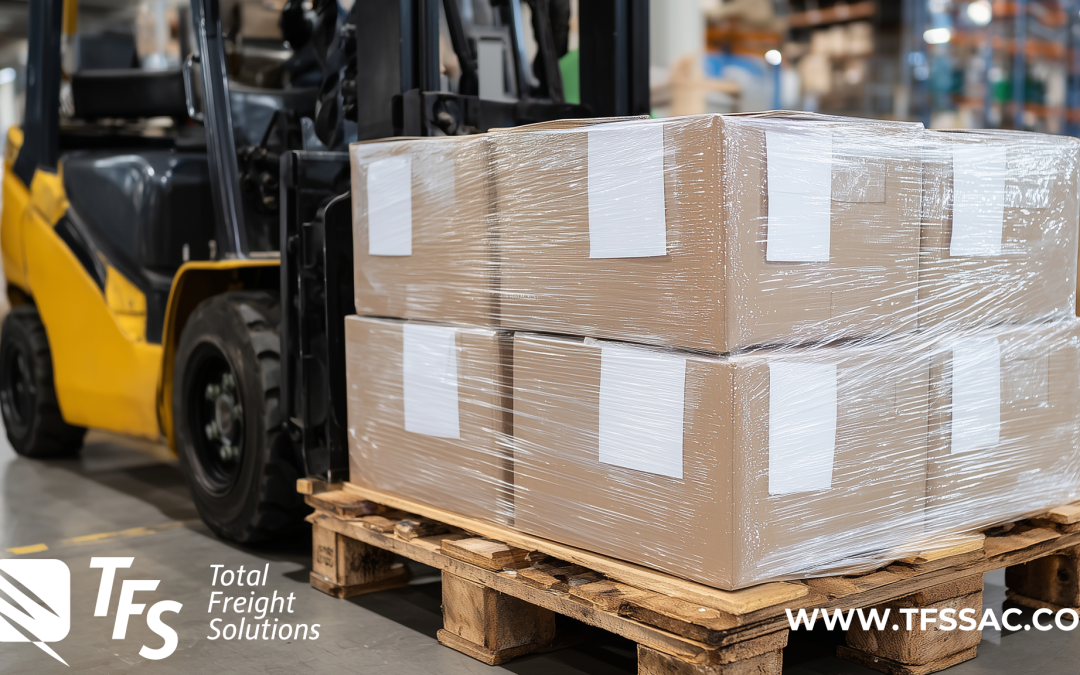
A rejected load can derail a delivery fast, especially when a receiver refuses freight due to unsafe pallets, overhang, damaged wrap, labeling issues, temperature concerns, or missed appointments. The fastest resolutions start with clear receiver notes, time stamped photos, and a preserved chain of custody, then move into one of three paths: restack or rework, temporary holding, or re delivery under a confirmed appointment.

Pallet Restacking in Sacramento
Pallet restacking in Sacramento is often the fastest way to recover freight after a load shift, pallet collapse, or receiver rejection. The process focuses on rebuilding stable pallets, correcting weight distribution, and securing freight with wrap, banding, and protective materials so it can move safely again. Cost and turnaround time vary based on load condition, pallet count, product type, supplies needed, and urgency, so clear paperwork and pre-arrival details help keep recovery work predictable.
Freight Transfer Services in Sacramento That Keep Your Trucks Moving
Freight Transfer Services in Sacramento supporting carriers with fast container unloading, trailer-to-trailer transfers, cross-docking, and drayage support near I-80, I-5, and the Port of West Sacramento.
Sacramento Short-Term Storage Solutions for Small Businesses and Online Retailers
Total Freight Solutions, Inc. offers flexible Sacramento short-term storage for small businesses, retailers, and e-commerce sellers that need overflow space during busy seasons or supply chain delays.
Temporary Storage Solutions in Sacramento for Construction and Industrial Projects
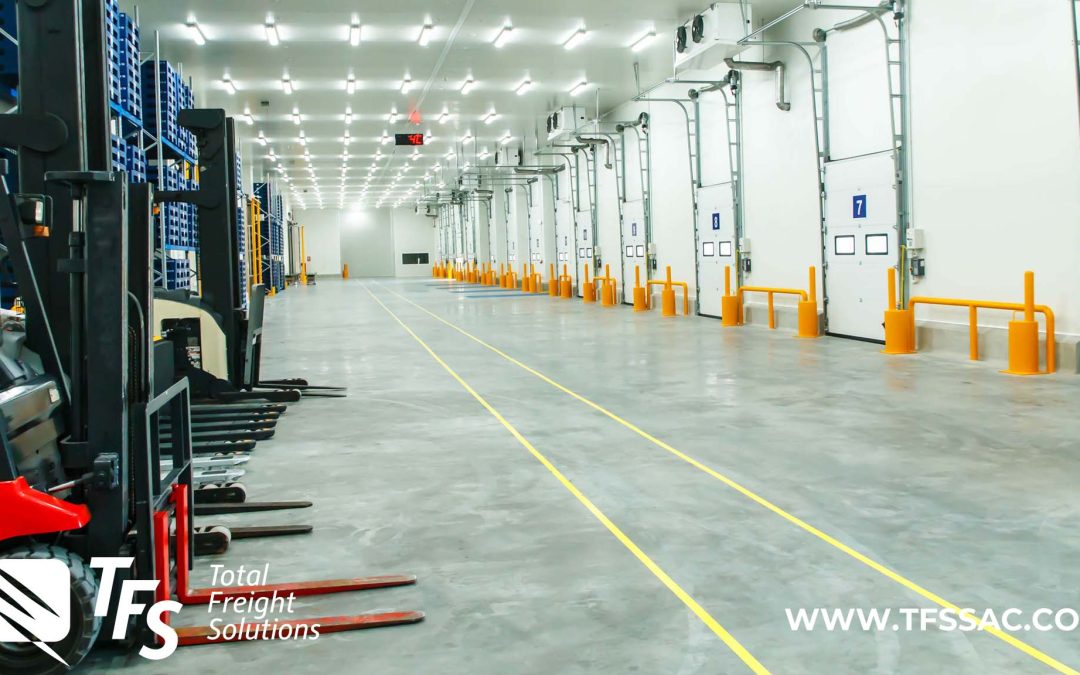
Sacramento Temporary Storage provides short-term warehousing and cross-docking solutions for construction and industrial projects experiencing delays or logistical challenges.

Sacramento freight consolidation helps businesses cut costs and boost supply chain efficiency
Sacramento freight consolidation helps businesses lower costs, improve delivery times, and streamline supply chains. Discover how Total Freight Solutions supports companies with 24/7 logistics, secure warehousing, and expert freight handling across Northern California.

Sacramento is Establishing Itself as California’s Premier Cross-Docking and Warehousing Hub
Sacramento’s position at the crossroads of California’s major highways is transforming it into a leading hub for cross-docking and warehousing. With reduced congestion compared to Oakland and Los Angeles and growing demand for cold storage and e-commerce fulfillment, the region now plays a central role in statewide distribution and supply chain efficiency.
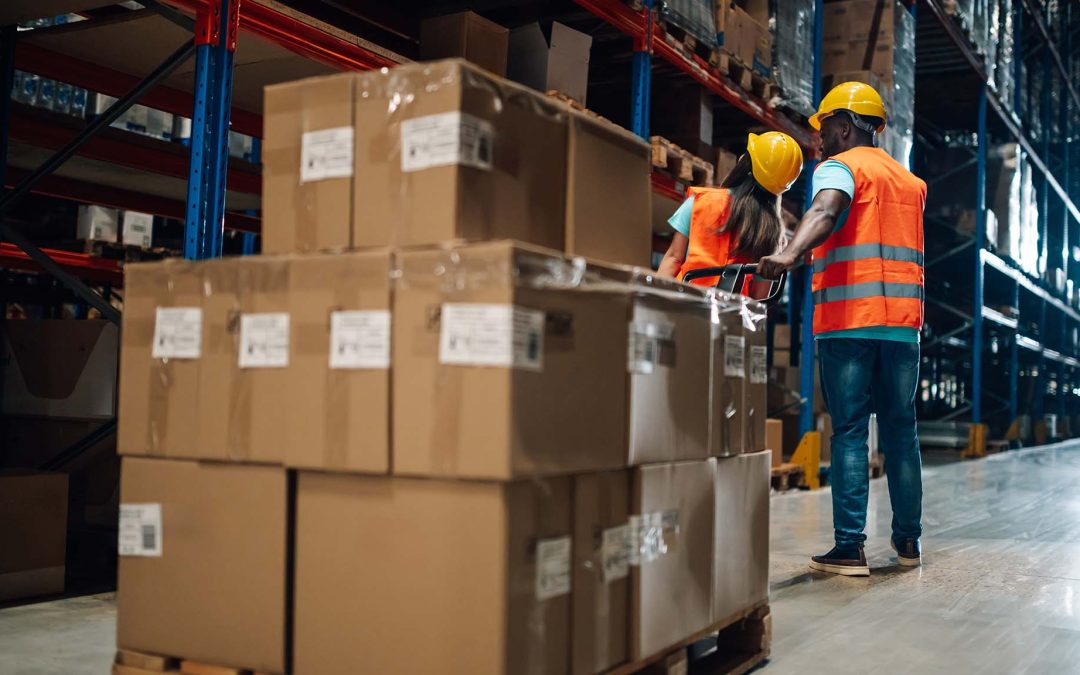
Secure Equipment Storage in Sacramento for Remote and Small Business Operations
Total Freight Solutions provides secure, scalable equipment storage in Sacramento for small businesses and remote teams. With professional inbound handling, outbound prep, and 24/7 facility access, we offer a flexible solution to store, organize, and ship electronics and office supplies with confidence.

What to Do When Your Freight Load Shifts in Transit
What to Do When a Load Shifts in Transit and How to Handle It Safely When a freight load shifts in transit, it can quickly become a serious problem. These shifts often occur due to harsh braking, sudden lane changes, tight curves, or poor road...
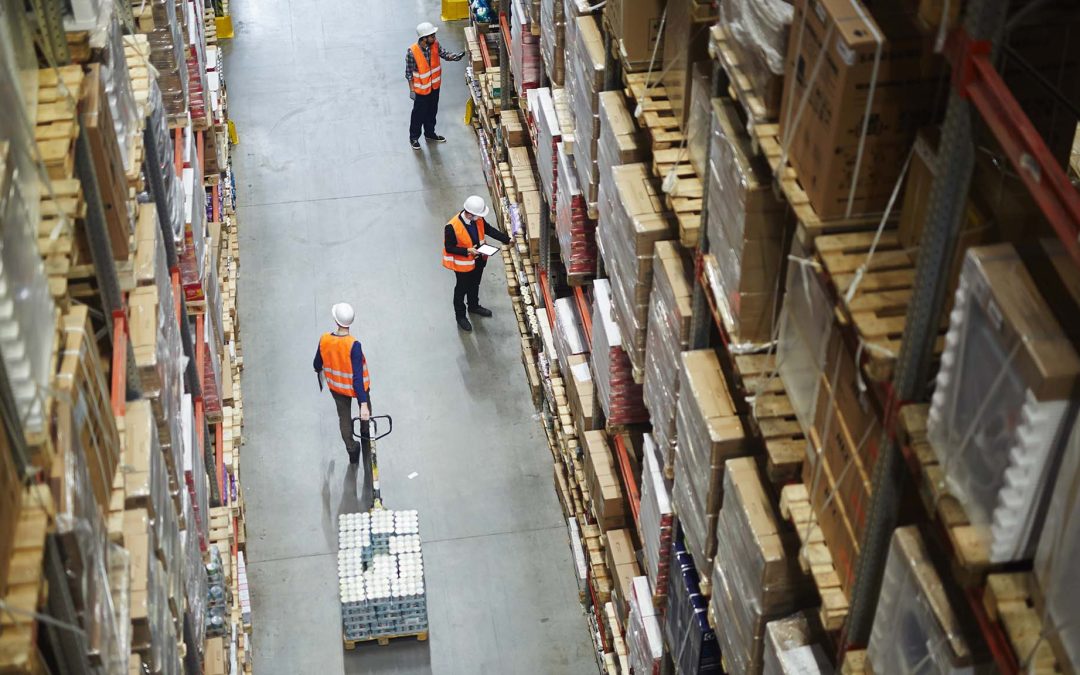
California’s New Warehouse Regulations
California’s new warehouse regulations are reshaping freight and logistics statewide. From AB 98’s zoning mandates to the WAIRE Program’s emission rules, operators must adapt quickly. Learn what these changes mean—and how Total Freight Solutions can help your business stay compliant, efficient, and competitive.
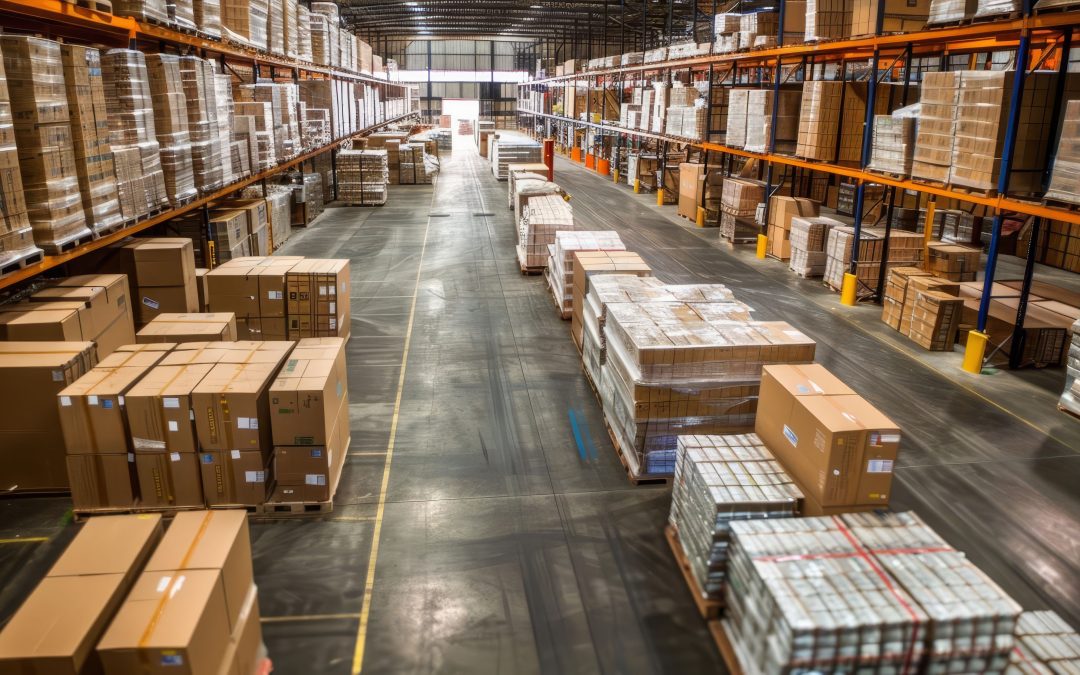
How Freight Consolidation Saves You Money on Shipping
Cut shipping costs and improve supply chain efficiency with freight consolidation. Our Sacramento facility helps you move freight faster, smarter, and more affordably.
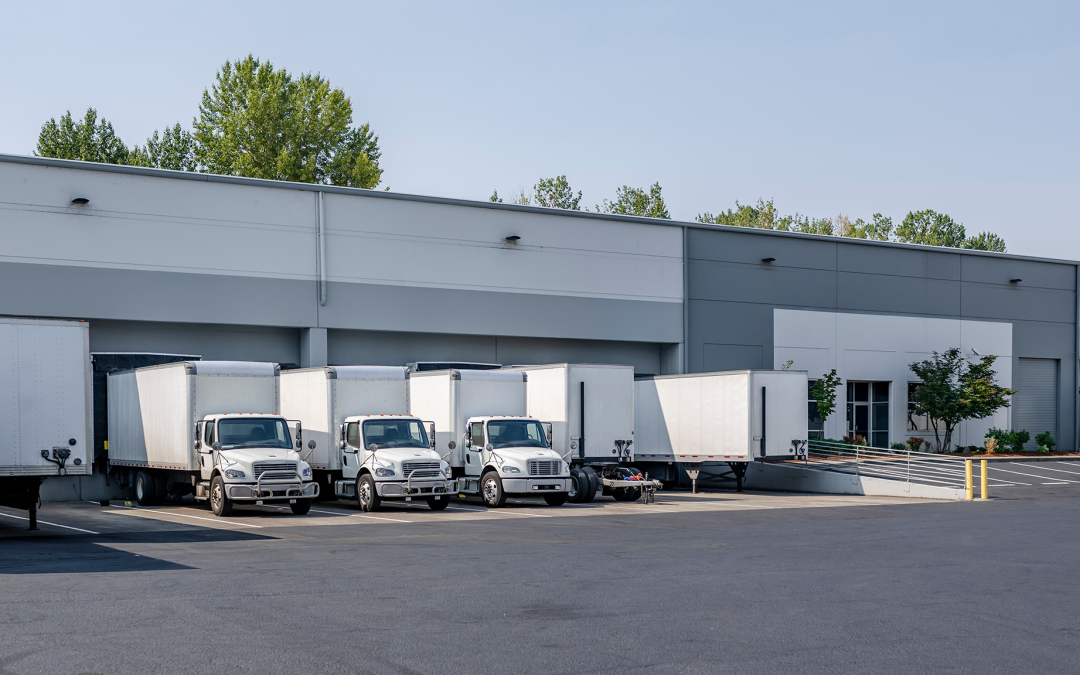
The Last-Mile Delivery Challenge
Optimizing Last Mile Logistics for Better Speed and Lower Costs Last-mile delivery is one of the most critical components of modern supply chains, yet it remains the most expensive and challenging. As consumer expectations for fast, flexible, and...
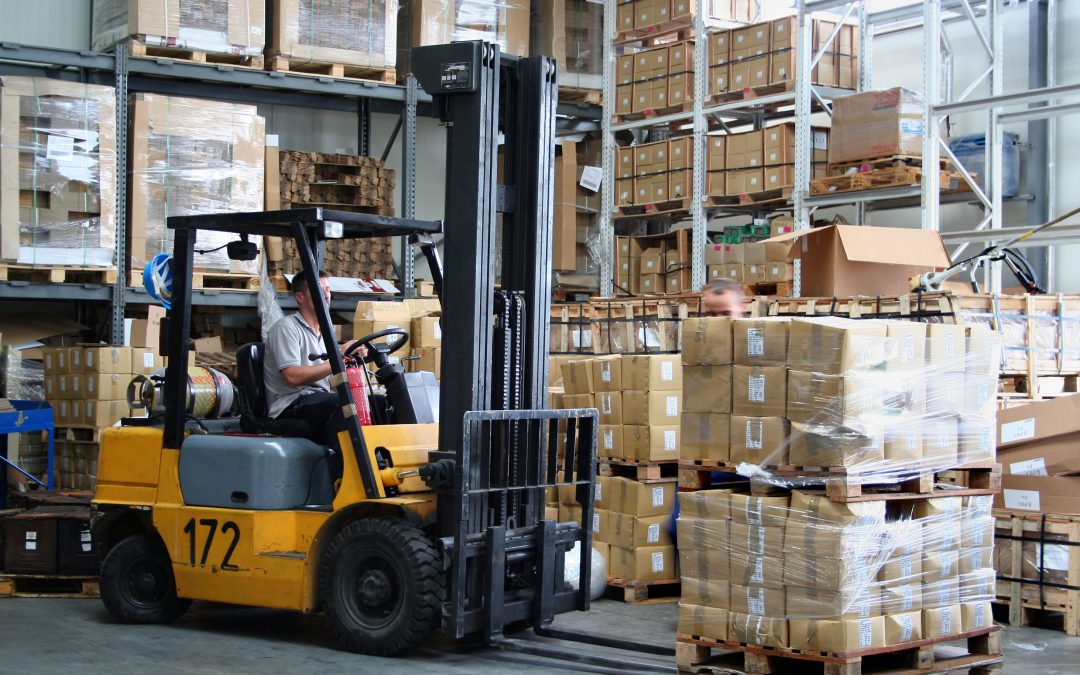
Short-Term vs. Long-Term Warehousing Storage
Choosing between short-term and long-term warehousing is crucial for businesses looking to optimize inventory management and supply chain logistics. Short-term storage provides flexibility for seasonal surges and temporary overstock, while long-term warehousing ensures cost-effective, stable storage for bulk inventory and steady demand products. A hybrid approach combines both, balancing scalability and cost-efficiency. Learn how to select the right warehousing solution to keep your business running smoothly.

Cross-Docking: How Can It Save You Time & Money?
Cross-docking is a logistics strategy that eliminates long-term storage by transferring goods directly from inbound to outbound transportation, saving time, reducing costs, and improving efficiency. This streamlined process benefits industries like retail, e-commerce, and food by enabling faster deliveries and better inventory management.